



















































































































































































































































































































































































































































































































































































































































































































































































































































































































































































































































































Turkish Coffee | Kahve
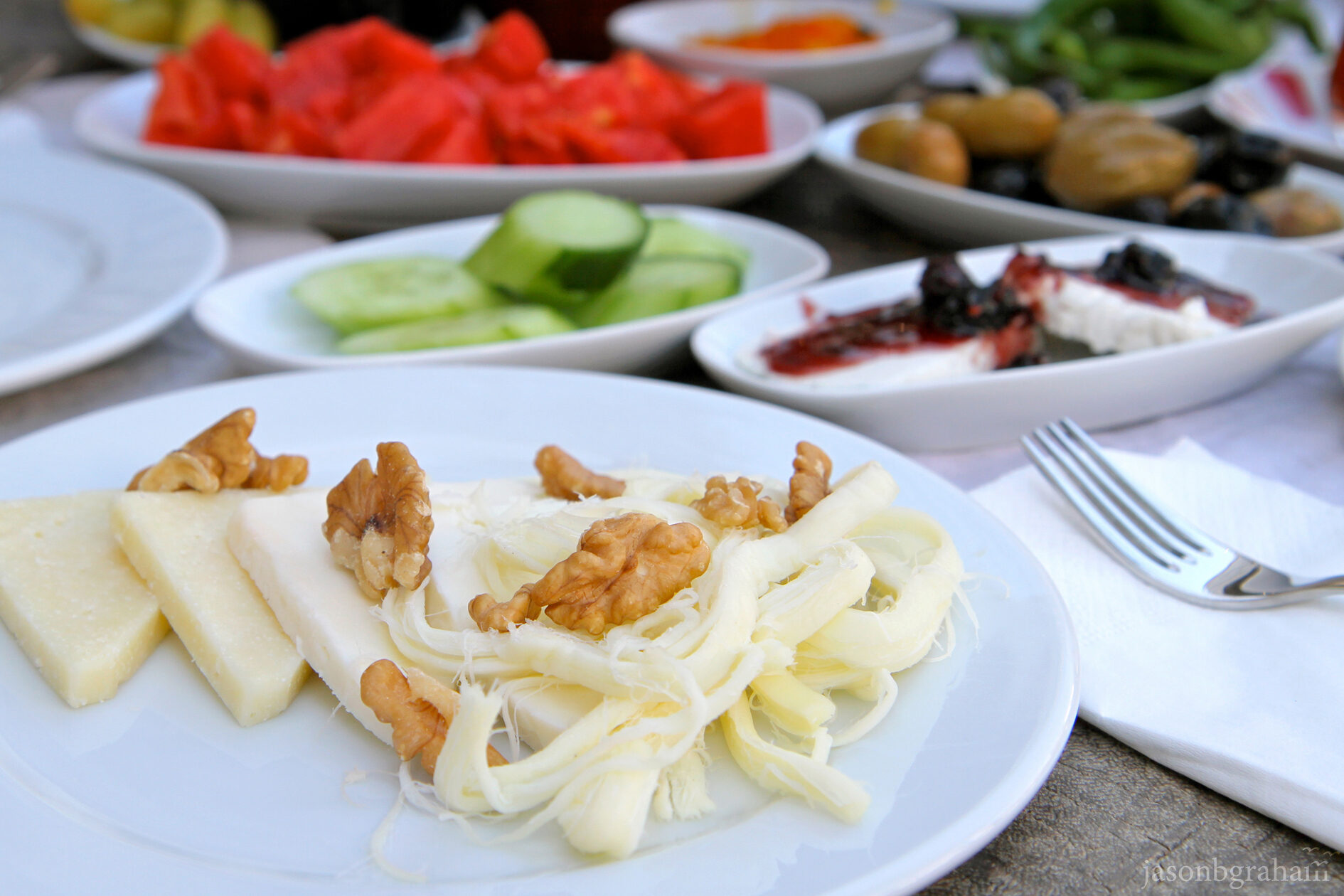
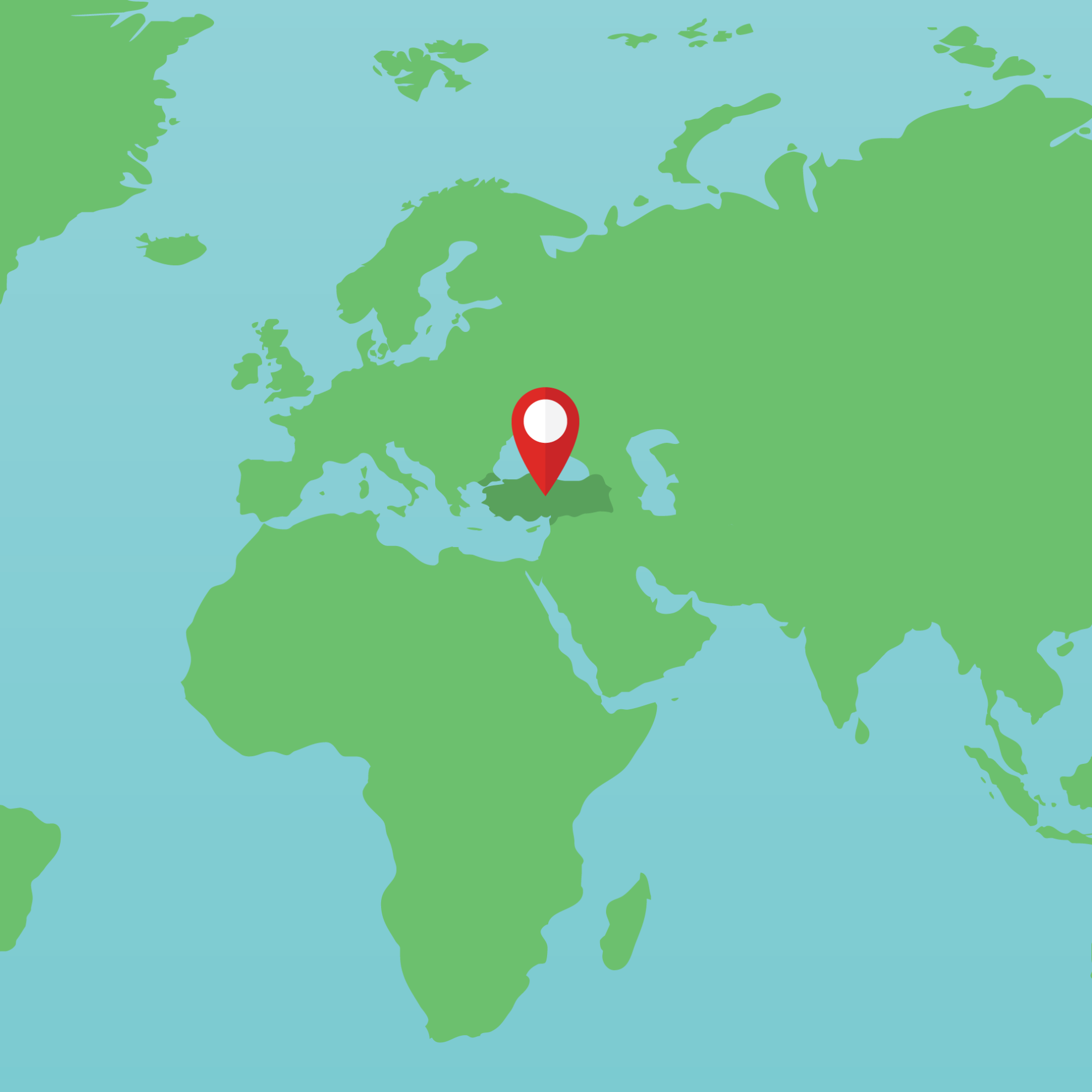
Coffee is said to have been introduced to Turkey by Ottoman Governor Özdemir Pasha. Under Ottoman rule, coffee was not well received in Turkey. In fact, the consumption was prohibited by religious leaders in 1511 due to the stimulating effects. The beverage eventually gained popularity and the prohibition was lifted by Sultan Selim in 1524. Shortly after, Istanbul’s first coffeehouse was opened in 1554. Today, coffee persists as an important part of the social and cultural experience. As an illustration, the word for breakfast (kahvaltı) actually means ‘before coffee.’
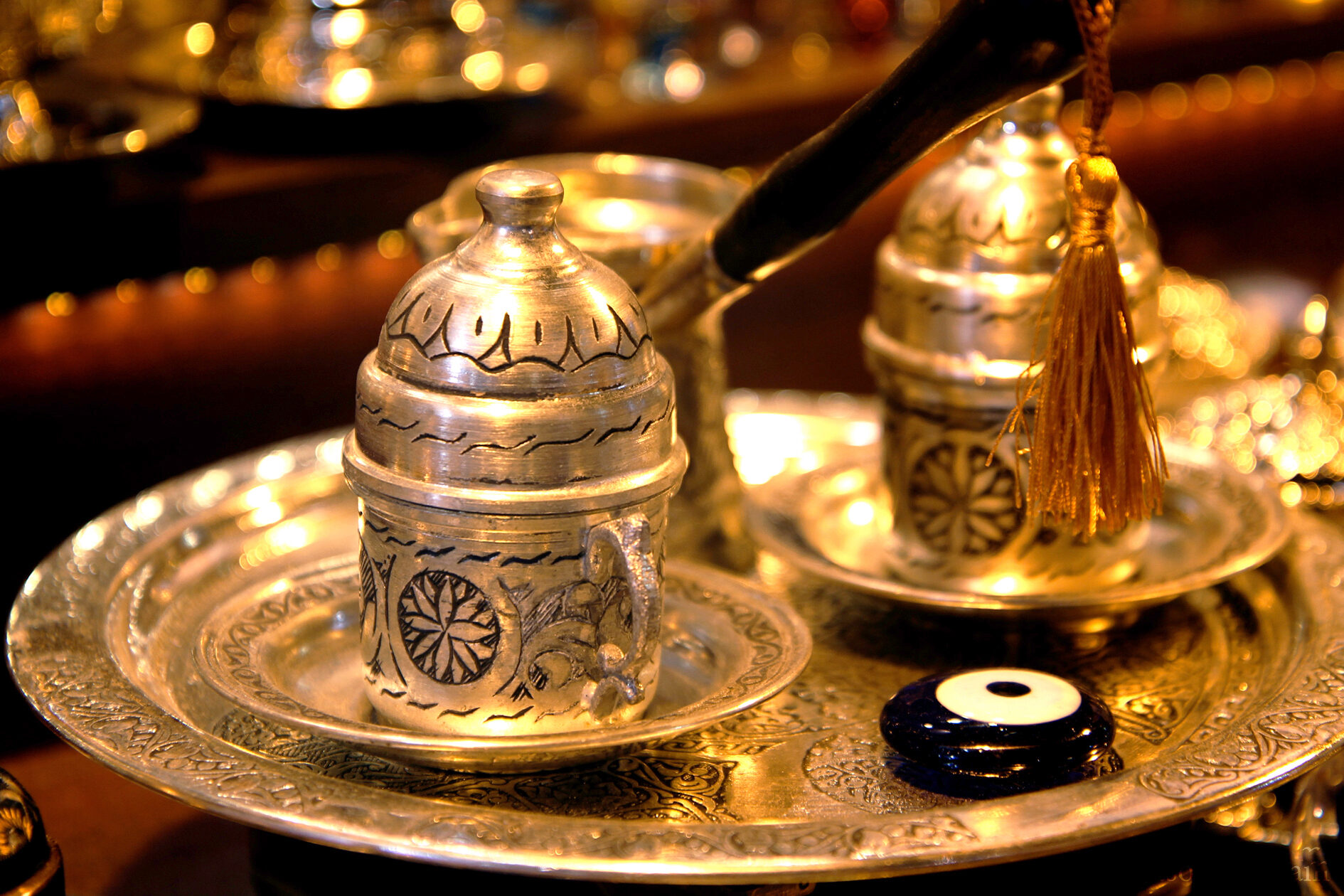
Turkish coffee is prepared in a special pot call “cezve.” The preparation requires a a very fine ground coffee, sugar and coffee cups. Each cup of coffee requires 2 spoons of coffee, one cup of cold water and sugar to taste. All of the ingredients (water, coffee and sugar) are added to the “cezve” and brought to a boil. The pot is removed from the heat, mixed and returned to the heat to boil for a second time. Turkish coffee is prepared to personal preference with varying amounts of sugar:
Coffee without sugar is “sade”
With a bit of sugar added, coffee is called “az şekerli”
Coffee with a medium amount of sugar is “orta’
Sweet coffee is referred to as “şekerli”
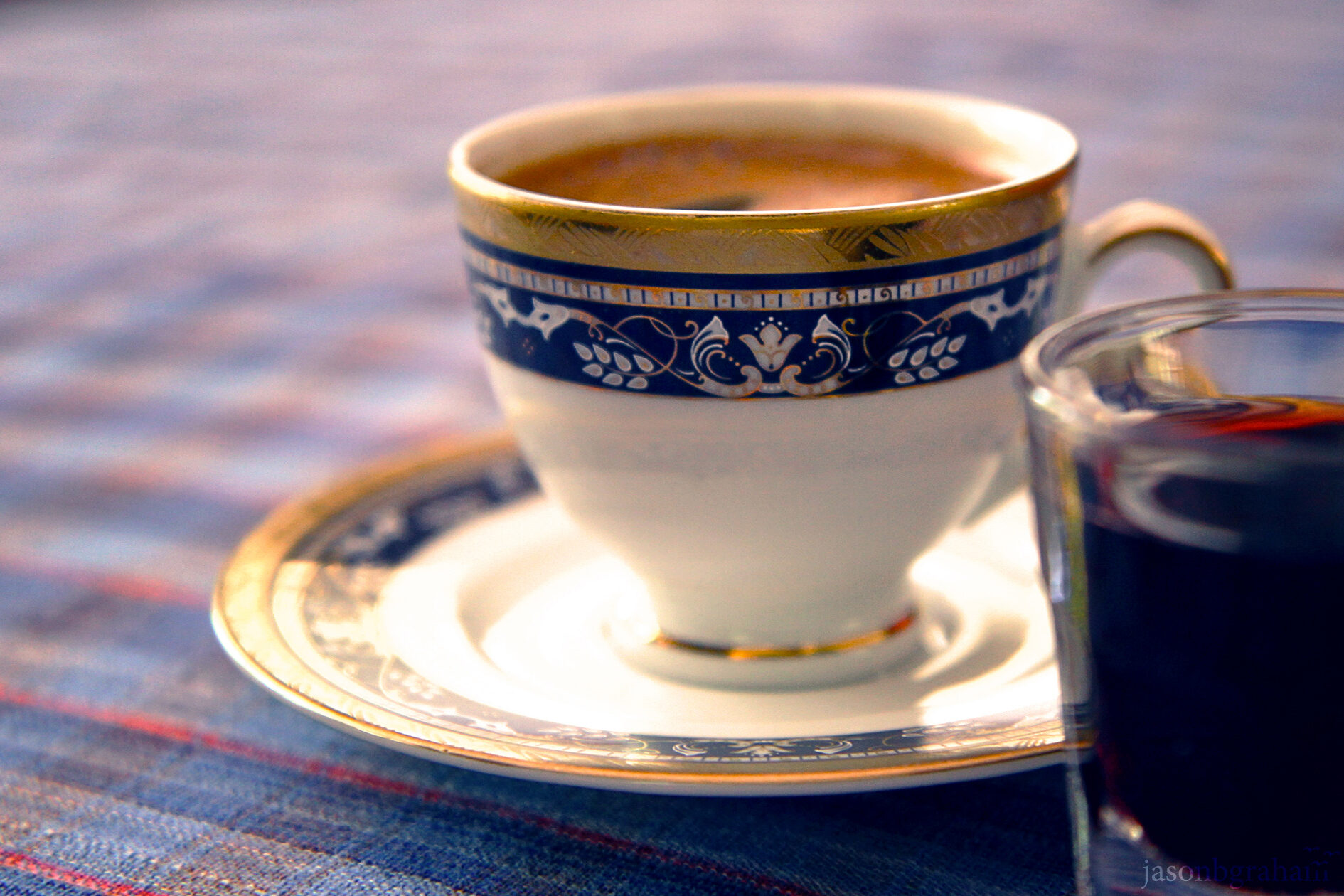
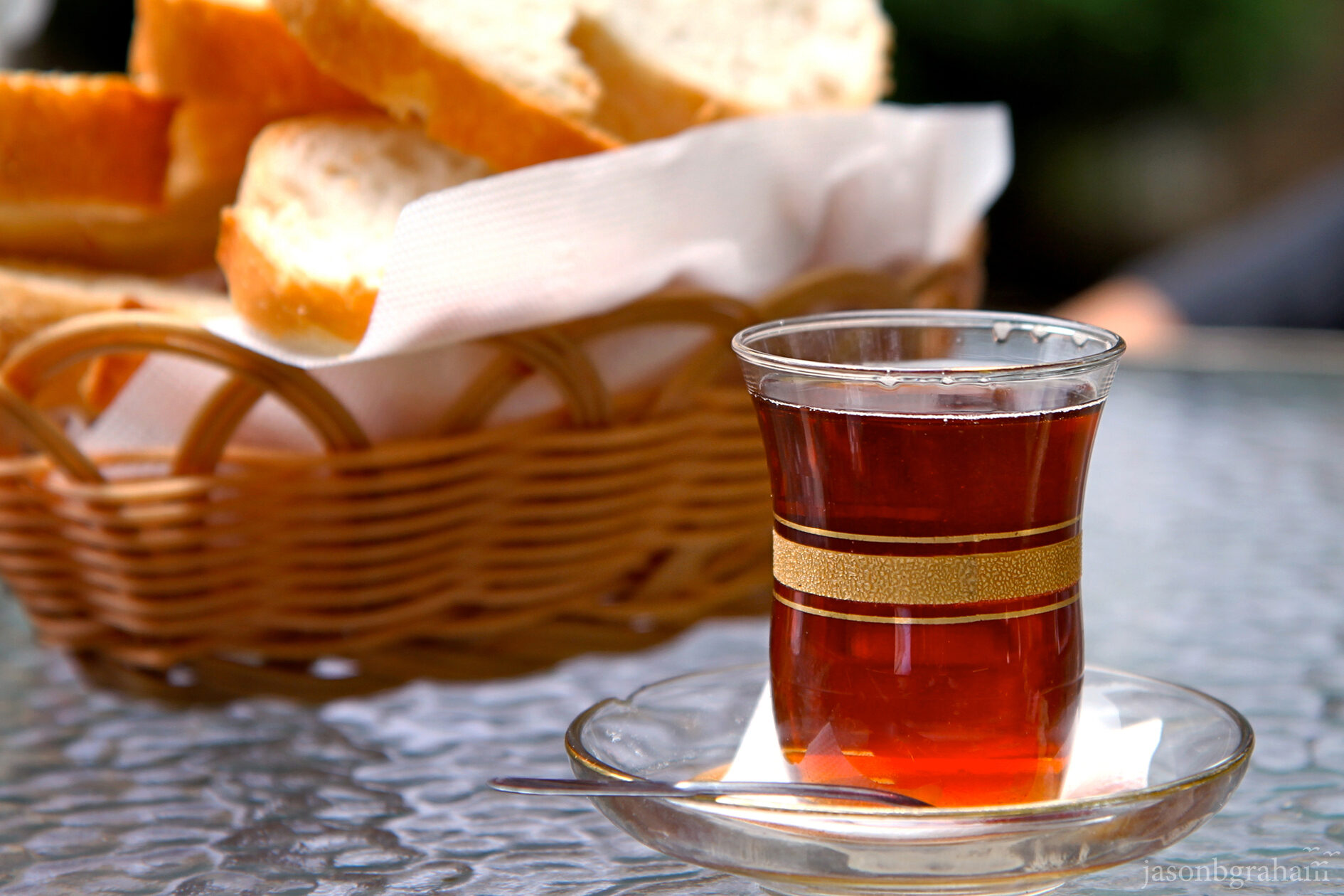
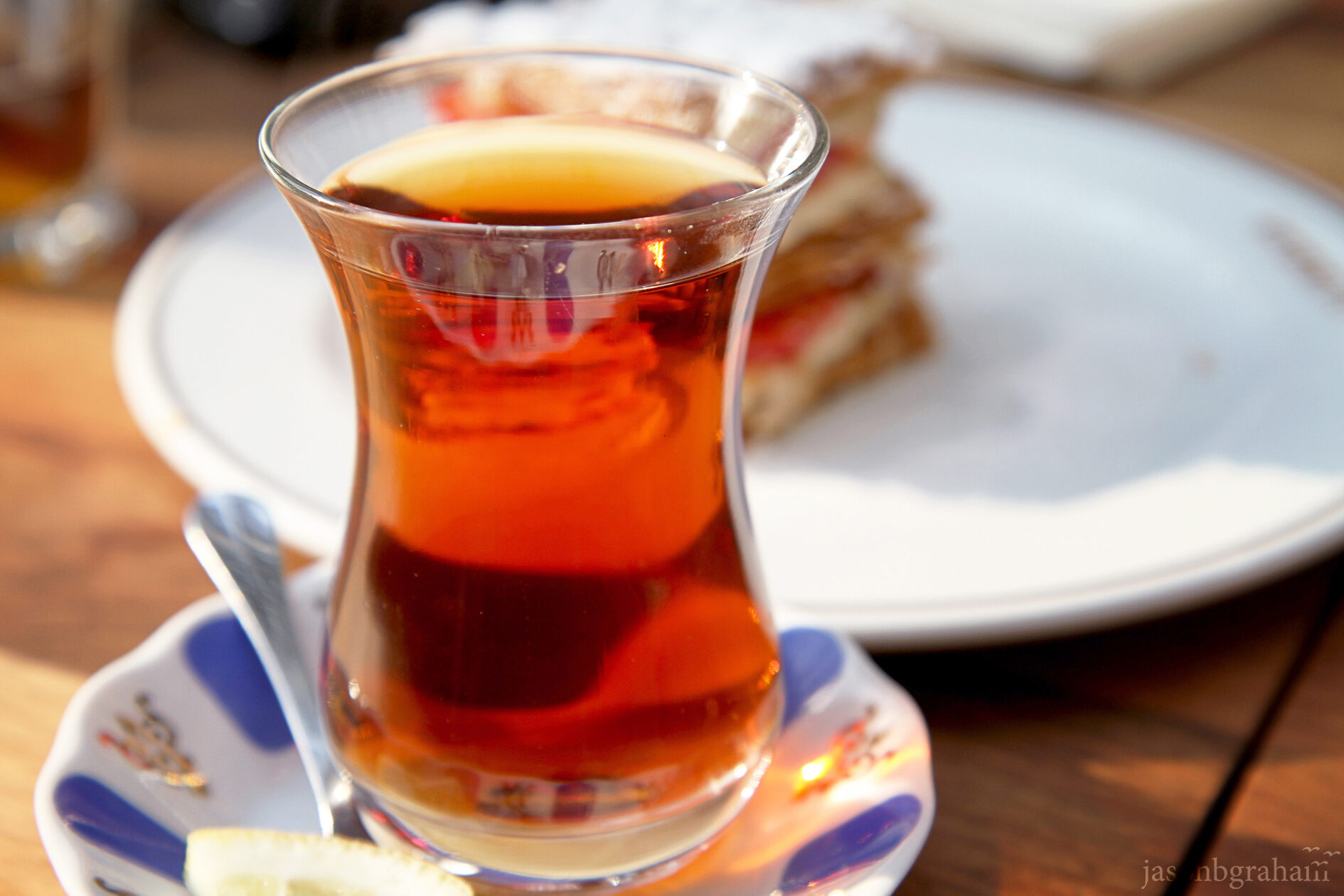
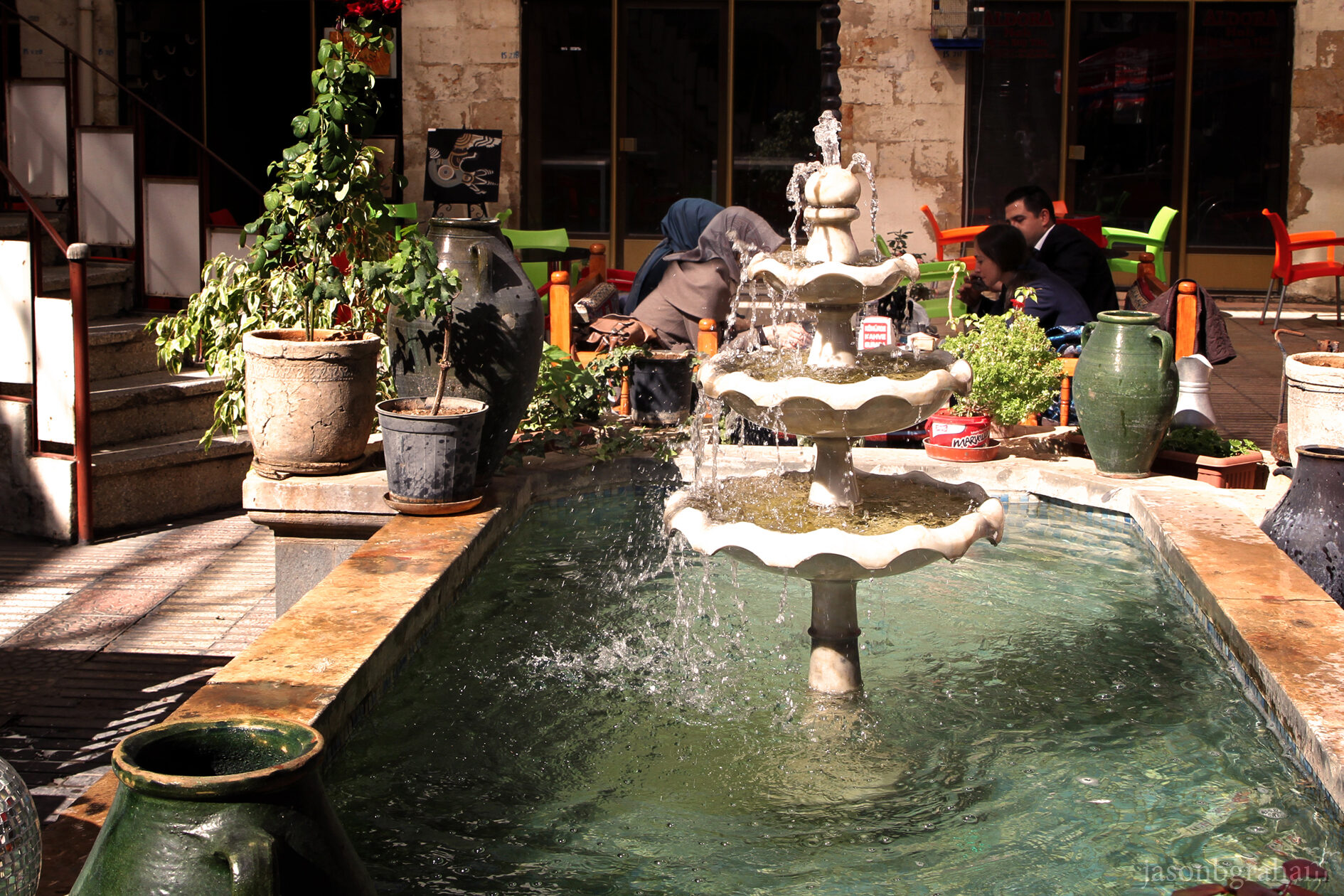
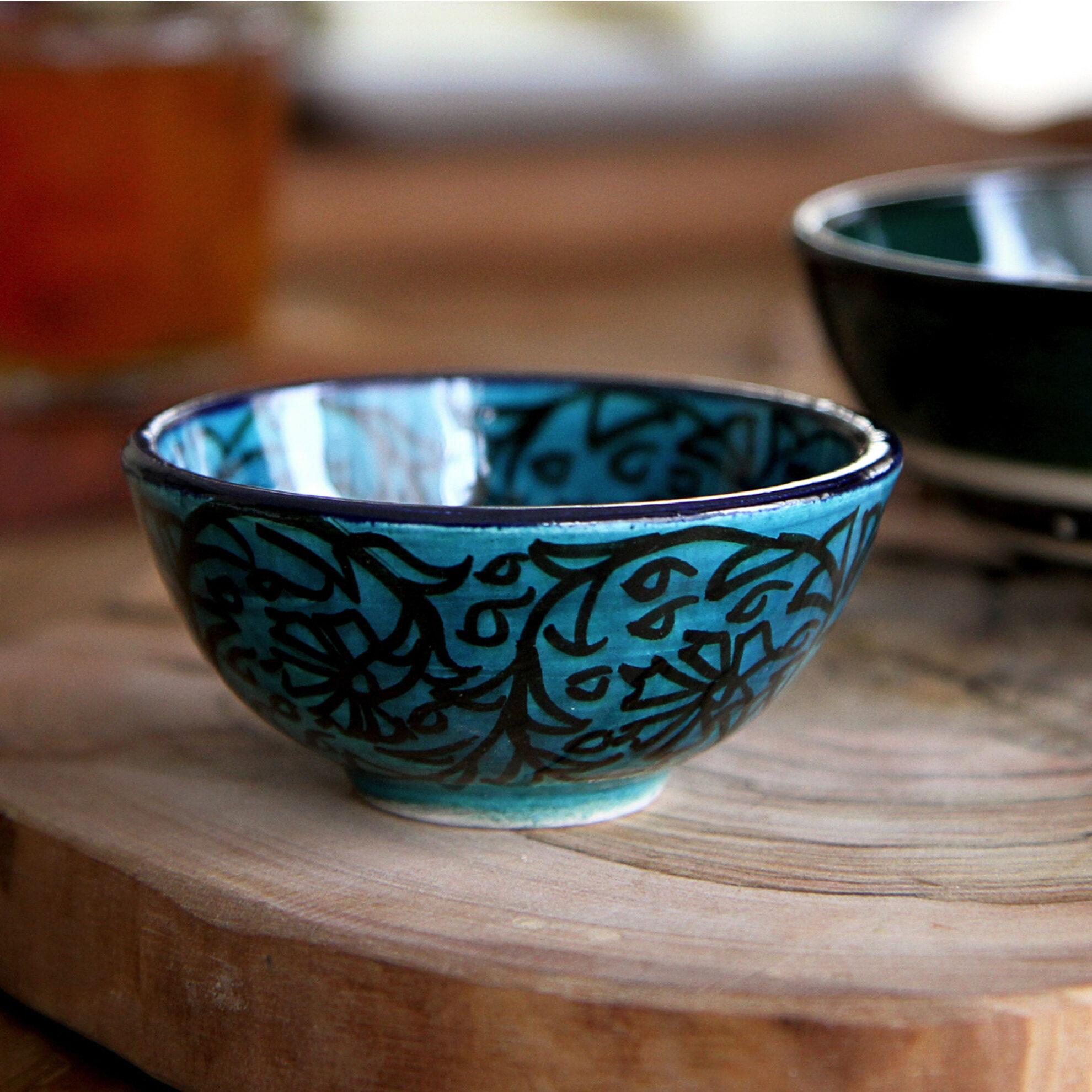
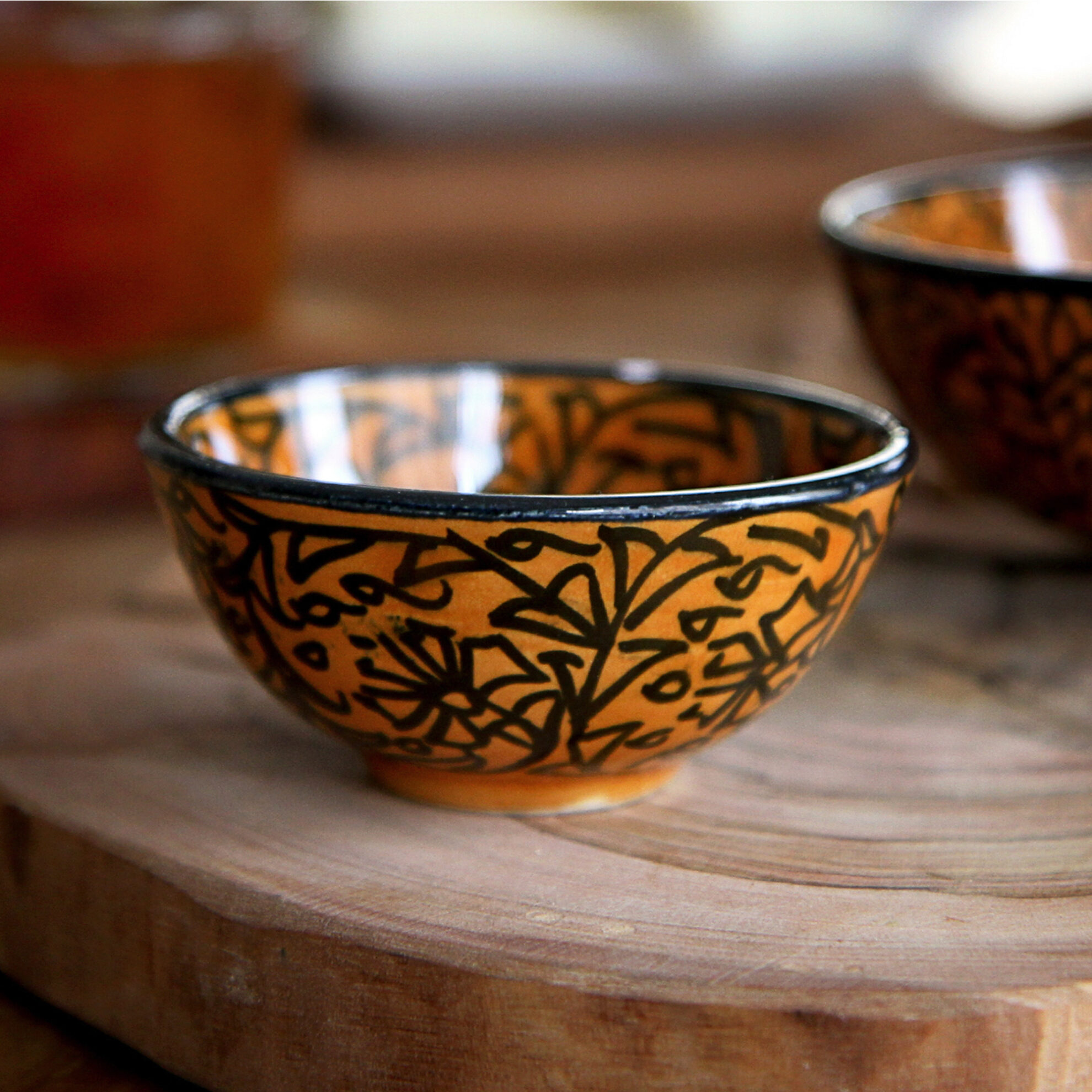
Served in cups similar to espresso mugs, Turkish coffee is typically enjoyed leisurely. This allows time for the coffee grounds to separate from the liquid coffee. The liquid coffee is then consumed leaving the coffee grounds at the bottom of the cup. The coffee grounds that remain are often used by fortune tellers to predict the future.
Turkish Cuisine
Beverages
Turkish Coffee | Kahve
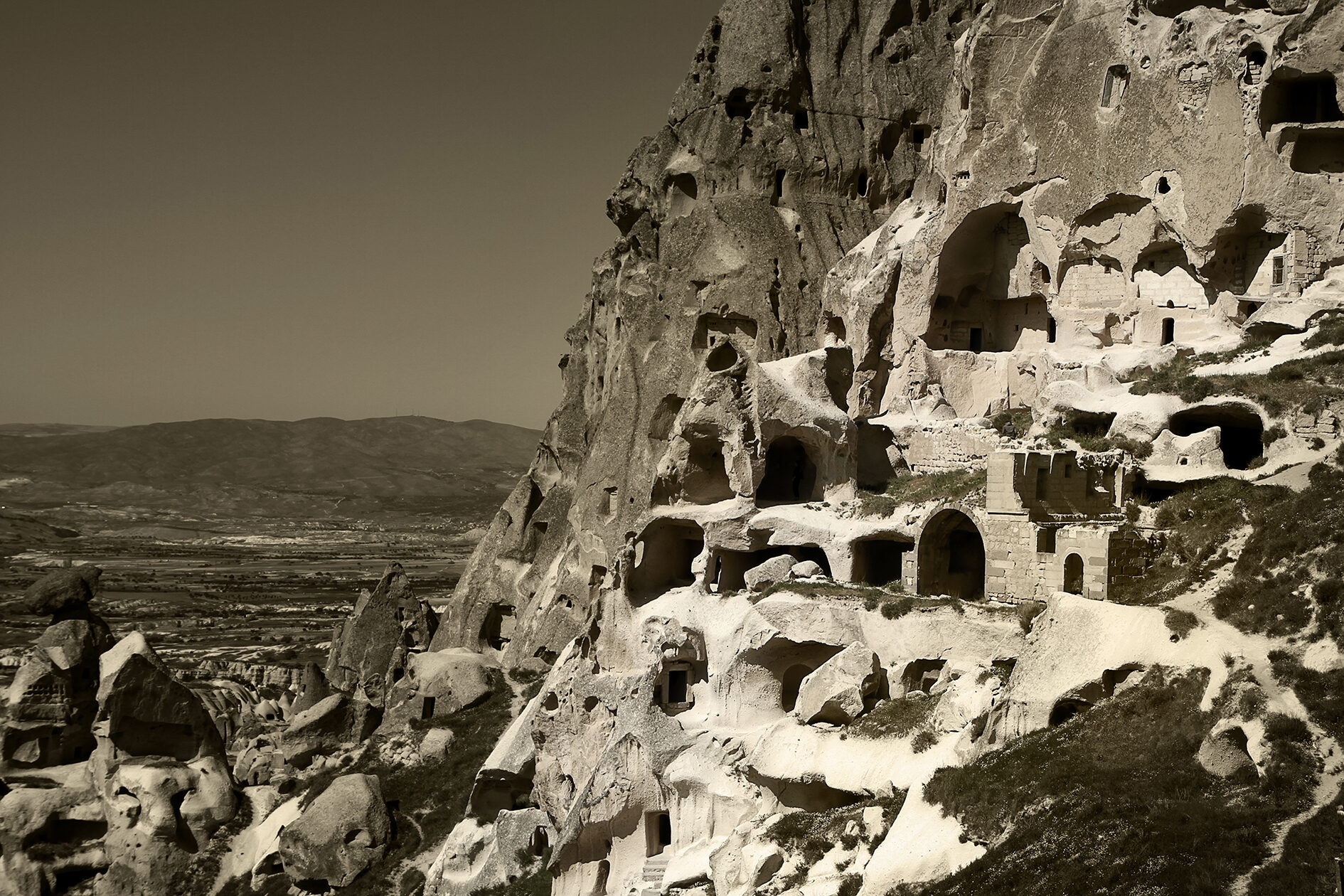
Selimiye, Turkey